Évf. 7 szám 2 (2024): Adalékok a balkáni népzene ritmikai aszimmetriáinak eredetkutatásához
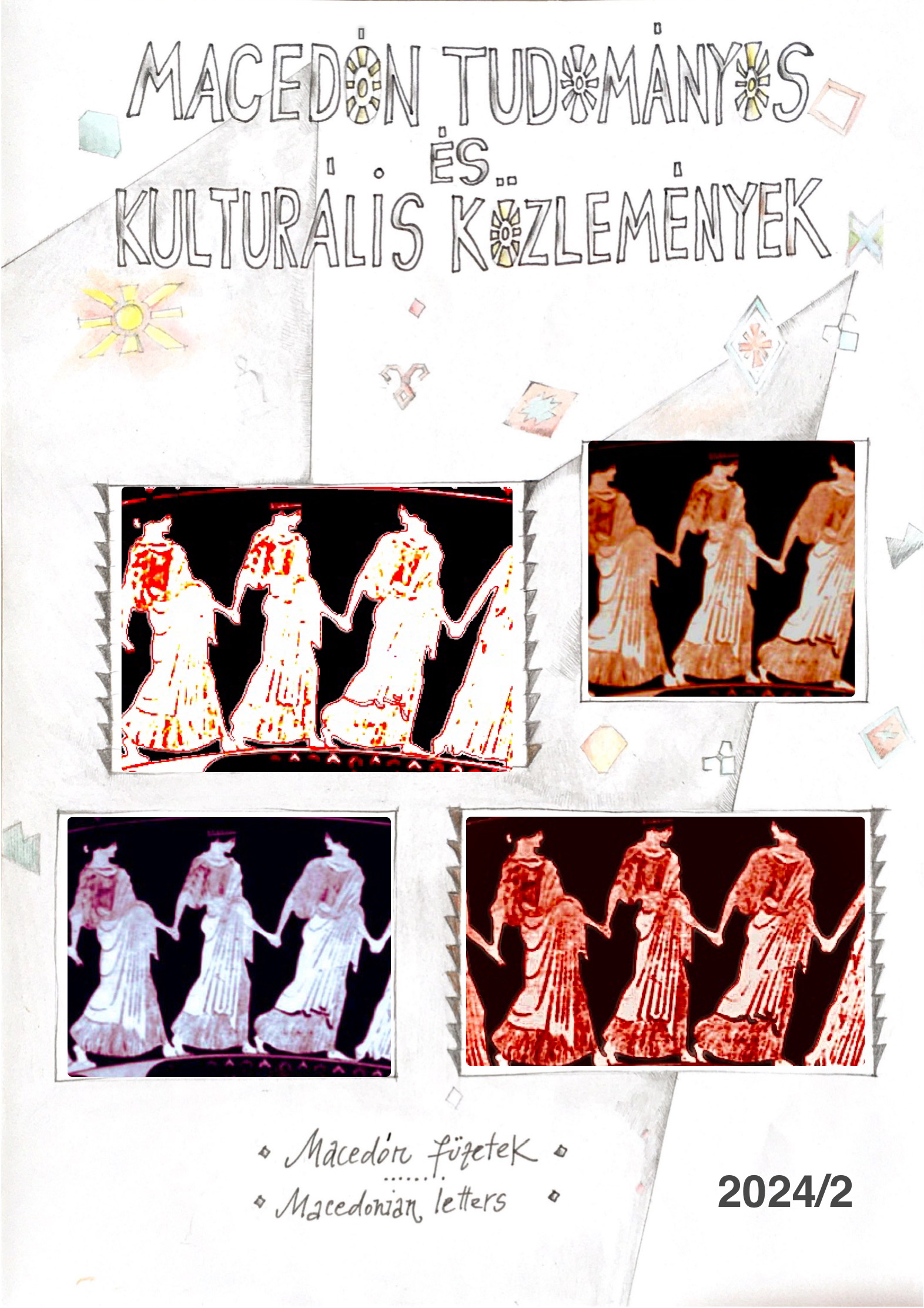
A folyóirat e különszámában a balkáni népzene és lánctánc ritmikai többértelműségeiről olvashatunk. Az aszimmetrikus ritmika, a zene és tánc időstrukturáinak sajátos kapcsolata, valamint a koreológiai anyag gyakori aszimmetriája a teljes balkáni lánctánchagyomány jellemzője. A macedón folklór területén ezek a vonások különösen markánsan jelennek meg, és a népzenei anyag meghatározó elemeivé váltak. A tanulmány e jelenségekkel átfogó módon foglalkozik, és olyan többirányú elméleti keretet vázol fel, amely interdiszciplináris alapot nyújthat az etnomuzikológiában már detektált és elemzett ritmikai sajátosságok eredettörténetének feltárásához.
In this special issue of the journal, readers will find an exploration of rhythmic ambiguities in Balkan folk music and chain dances. Asymmetric rhythm, the unique relationship between musical and dance time structures, and the frequent asymmetry of choreological material are characteristic features of the entire Balkan chain dance tradition. Within Macedonian folklore, however, these traits are particularly pronounced and form a defining part of the folk repertoire. This article addresses these phenomena in a general framework, outlining a multidirectional theoretical approach that offers an interdisciplinary foundation for tracing the origins of rhythmic features already identified and analyzed in ethnomusicology.
issue.tableOfContents6a727f676ee96
Cikkek
-
ADALÉKOK A BALKÁNI NÉPZENE RITMIKAI ASZIMMETRIÁINAK, TÖBBÉRTELMŰSÉGEINEK EREDETKUTATÁSÁHOZ
2-26Megtekintések száma:317A tanulmány a balkáni népzene és lánctánc aszimmetrikus ritmikai jellemzőit vizsgálja, különös tekintettel a ritmikai kétértelműségekre, a zene és tánc időbeli struktúráira, valamint ezek művészi jelentőségére. Bartók Béla zenéjére, a nyugati modern művészet ritmikai újításaira és az ókori hellén choreia példáira támaszkodva a cikk egy új, integratív értelmezési keretet javasol a balkáni népzene ritmikai összetettségének elemzésére. A kutatás hangsúlyozza, hogy a ritmus nem csupán zenei jelenség, hanem mozgásban és közösségi élményben gyökerező folyamat, amely társadalmi és kulturális kontextusban értelmezendő. Ez a megközelítés hozzájárul a ritmus esztétikai jelentőségének mélyebb megértéséhez.
The study examines the asymmetric rhythmic characteristics of Balkan folk music and chain dance, with particular attention to rhythmic ambiguity, the temporal structures of music and dance, and their artistic significance. Drawing on the music of Béla Bartók, the rhythmic innovations of Western modern art, and examples from ancient Hellenic choreia, the article proposes a new integrative interpretive framework for analyzing the rhythmic complexity of Balkan folk traditions. The research emphasizes that rhythm is not merely a musical phenomenon, but a process rooted in movement and communal experience, to be understood within its social and cultural context. This approach contributes to a deeper understanding of the aesthetic significance of rhythm.
PDF357